The short answer
- A rapid clicking and dim dashboard lights nearly always mean a flat battery. A jump start usually fixes it.
- One loud click and then nothing points towards the starter motor.
- An engine that turns over normally but will not fire is usually a fuel or ignition problem.
- Stop trying after a few attempts. Repeated cranking flattens the battery and can flood the engine.
Quick checks you can do yourself
- Automatic gearbox: make sure it is in Park, or try Neutral, with your foot firmly on the brake.
- Manual gearbox: press the clutch fully to the floor. Many cars will not start otherwise.
- Steering lock: if the key will not turn, wiggle the steering wheel gently while turning it.
- Key fob: a flat fob battery can stop a keyless car recognising the key. Hold the fob against the start button or use the backup slot shown in your handbook.
- Fuel: check the gauge. It sounds obvious and it catches people every day.
- Battery terminals: if you can see them, check the clamps are tight and not covered in white or green corrosion.
What the symptoms usually mean
- Rapid clicking, dim or flickering lights: flat battery. Common after a cold night, a run of short journeys or lights left on.
- Nothing at all, no lights, no sound: a completely dead battery or a loose battery connection.
- One solid click, lights stay bright: likely the starter motor or its solenoid.
- Engine turns over at normal speed but does not fire: fuel or ignition. Out of fuel, the wrong fuel, a failed fuel pump or an immobiliser fault.
- Engine turns slowly and laboriously: a weak battery that is nearly, but not quite, flat.
- Starts, then cuts out straight away: often the immobiliser not recognising the key.
When a jump start will fix it
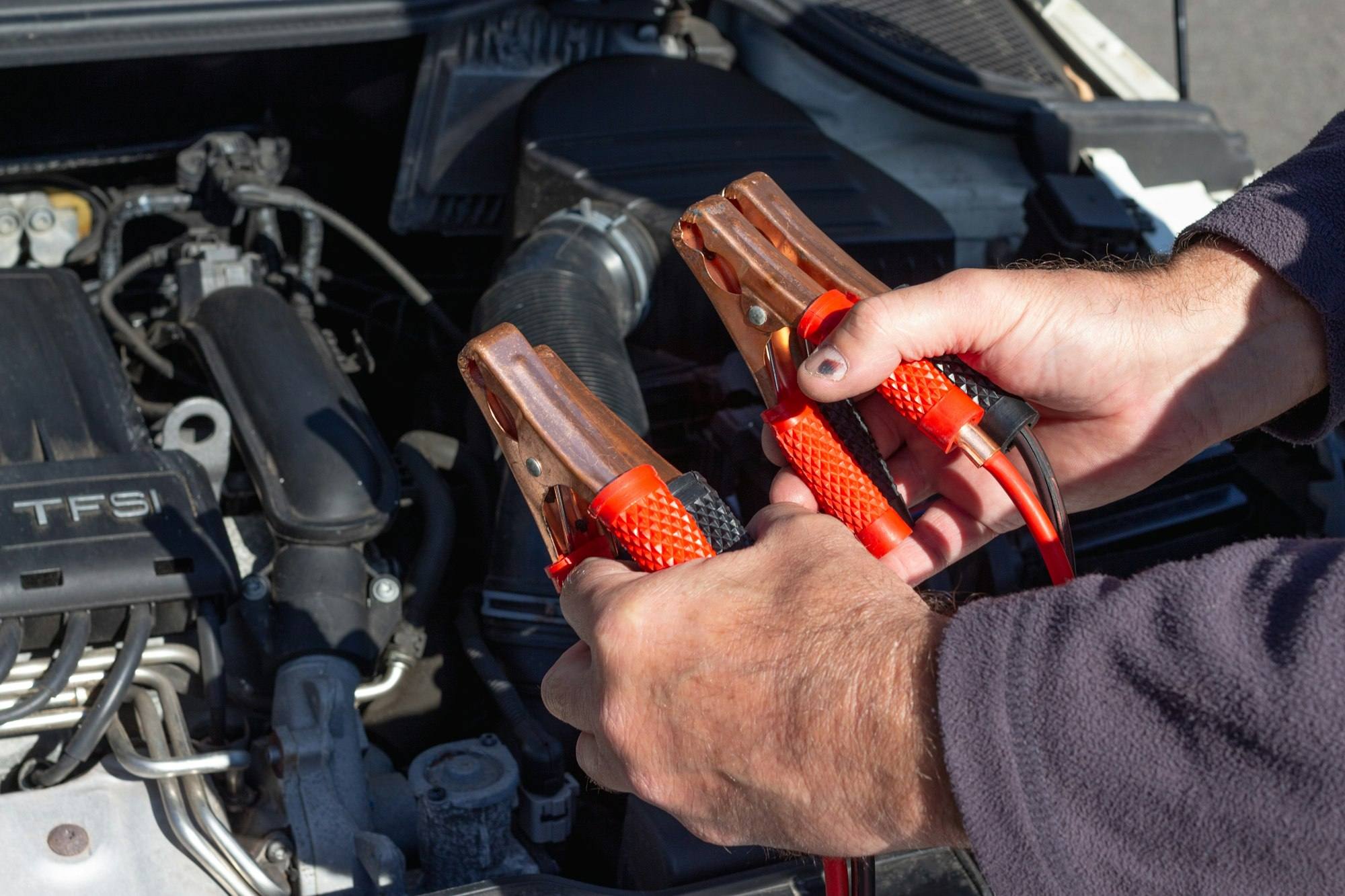
If the battery is simply flat, a jump start gets you going in minutes and a decent drive afterwards puts charge back in. We bring professional booster equipment to your home, workplace, car park or the roadside, so you do not need a second car or a set of leads.
If the battery is at the end of its life it may start once and fail again the next morning. We will tell you honestly if that looks likely so you can get it replaced before it strands you a second time.
When you need a tow instead
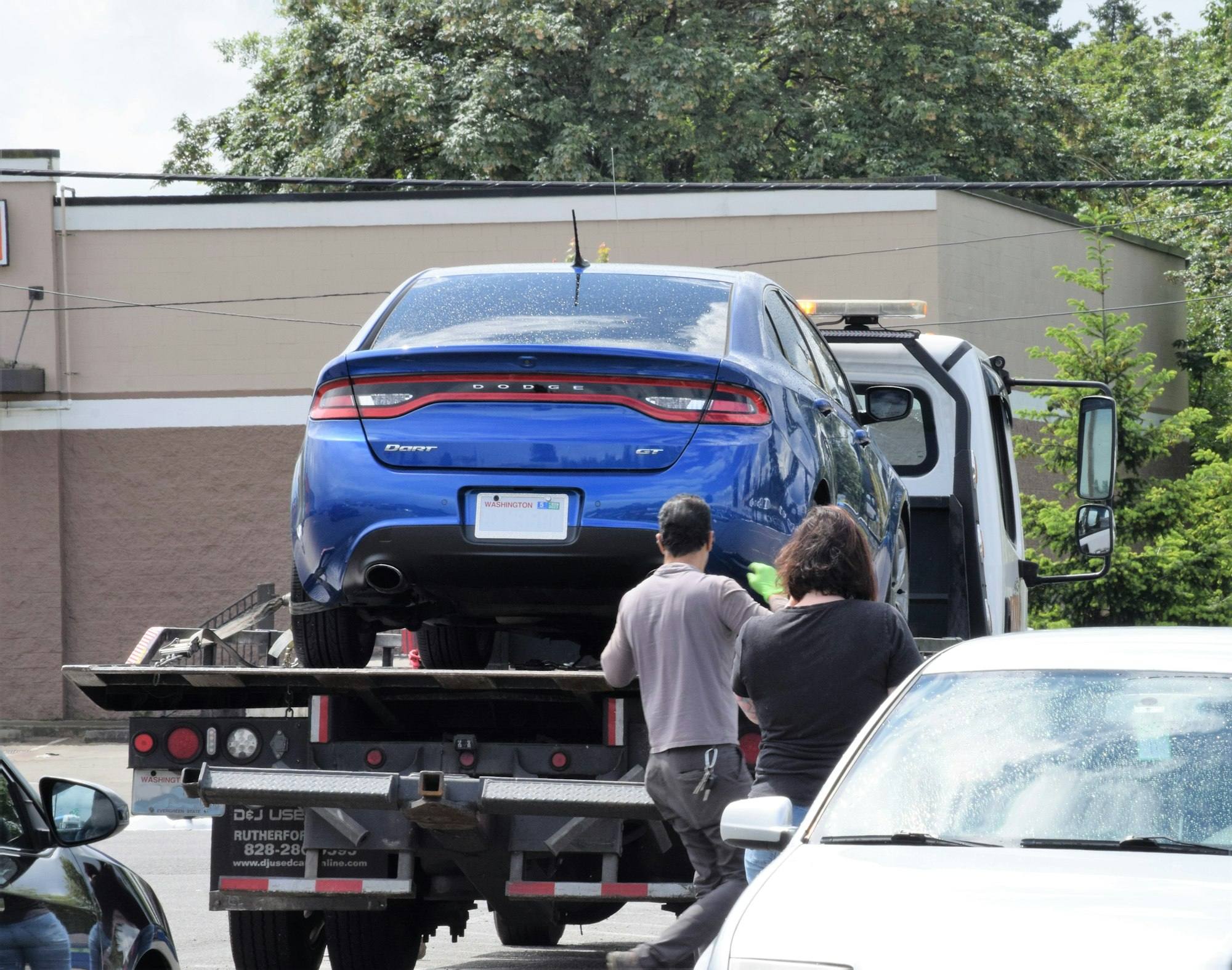
A starter motor, fuel pump or immobiliser fault cannot be jump started away. In that case we recover the car to your usual garage, a dealership or your home, whichever suits you. You will know the price before we set off.
What to avoid
- Do not keep cranking. Give it a few tries of no more than ten seconds each, with a pause in between.
- Do not jump start a battery that is cracked, leaking or frozen.
- Do not try to push start a car with an automatic gearbox. It will not work.
- On hybrid and electric cars, do not connect anything to the high-voltage system. Check the handbook or call us.
Common questions
Why does my car just click when I turn the key?
A fast clicking sound is the starter trying to engage without enough power, which almost always means a flat battery. A jump start usually solves it. A single heavy click with bright lights is more likely to be the starter motor itself.
Can you come to my house if my car will not start?
Yes. We jump start cars on driveways, residential streets and in car parks as well as at the roadside. We come to you, 24 hours a day.
My car will not start but the lights and radio work. Is it the battery?
It still can be. Lights and a radio need very little power, while the starter motor needs a great deal. A battery can run the accessories and still be too weak to turn the engine.
How long should I drive after a jump start?
Aim for at least half an hour of continuous driving, ideally not in stop-start traffic, to put a useful amount of charge back into the battery.
Published by Breakdown Recovery Hub · Last updated . General guidance only: follow the Highway Code and the instructions of the emergency services.