The short answer
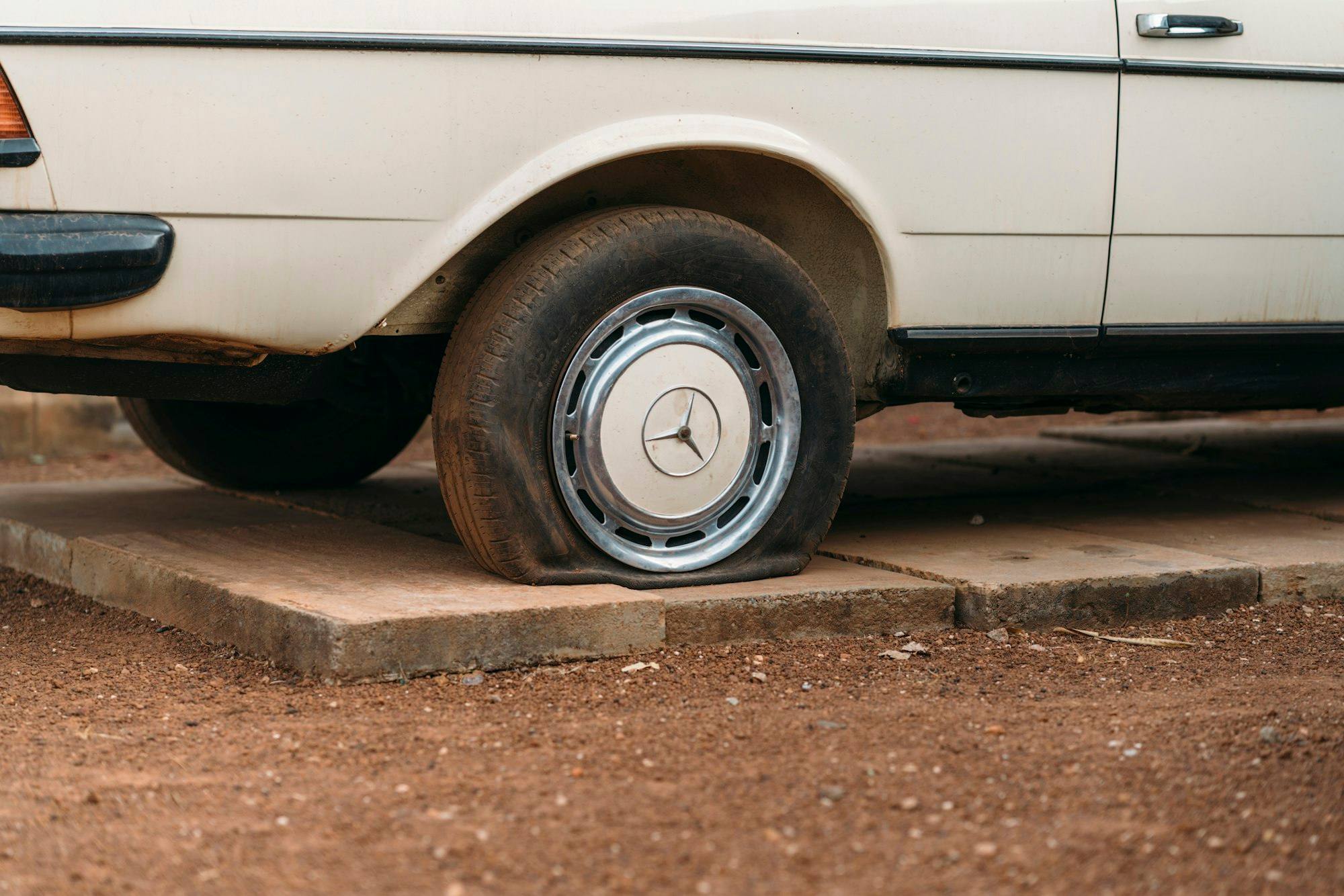
- Do not drive on a completely flat tyre. It ruins the tyre and can damage the wheel.
- A sealant kit only works on a small hole in the tread, not on a split sidewall or a blowout.
- Run-flat tyres let you carry on slowly for a limited distance. Check your handbook for the limits.
- If none of that applies, you need recovery to a tyre centre. We do that 24 hours a day.
First, get somewhere safe
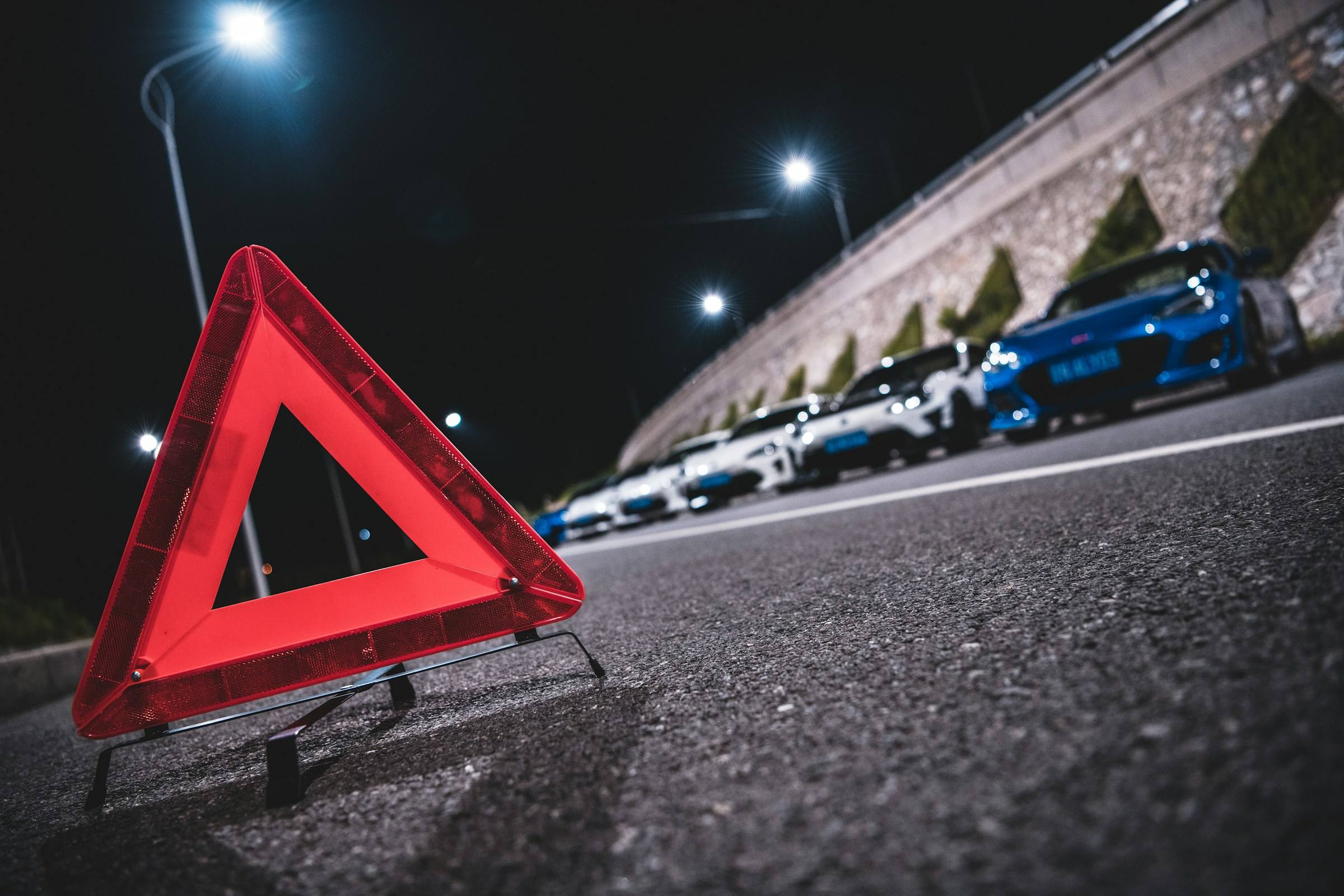
Slow down gently, avoid hard braking and pull off the road as soon as you can do so safely. A car park, lay-by or side street is far better than the edge of a main road. Put your hazard lights on. On a motorway, do not attempt anything yourself: get behind the barrier and call for help.
Check what your car actually has
- A full-size spare or a narrow space-saver, usually under the boot floor or beneath the car.
- A tyre sealant and compressor kit, in a moulded tray in the boot.
- Run-flat tyres, marked on the sidewall with codes such as RFT, ROF, SSR or RunFlat.
- Nothing at all, which is more common than you would expect on used cars.
Using a tyre sealant kit
The kit pumps liquid sealant into the tyre through the valve and then inflates it. It can seal a small puncture in the tread, such as a nail or screw, well enough to get you to a tyre centre at reduced speed. Follow the instructions and speed limit printed on the kit.
It will not work if the tyre has come off the rim, if the sidewall is cut or bulging, or if the hole is large. Tell the tyre fitter that sealant has been used.
If you have run-flat tyres
Run-flats have reinforced sidewalls that support the car with no air in them. You can normally continue at reduced speed for a limited distance, commonly around 50 miles at up to 50 mph, though the exact figures depend on the tyre and how heavily the car is loaded. Check your handbook, and head straight for a tyre centre rather than carrying on with your journey.
Locking wheel nut key missing?
Even with a spare, the wheel will not come off without the locking wheel nut key. Look in the glovebox, the boot tool kit, the door pockets and the spare wheel well. If it cannot be found, the wheel cannot be changed at the roadside and the car will need recovering to a garage or tyre centre that can remove the locking nuts.
When to call us
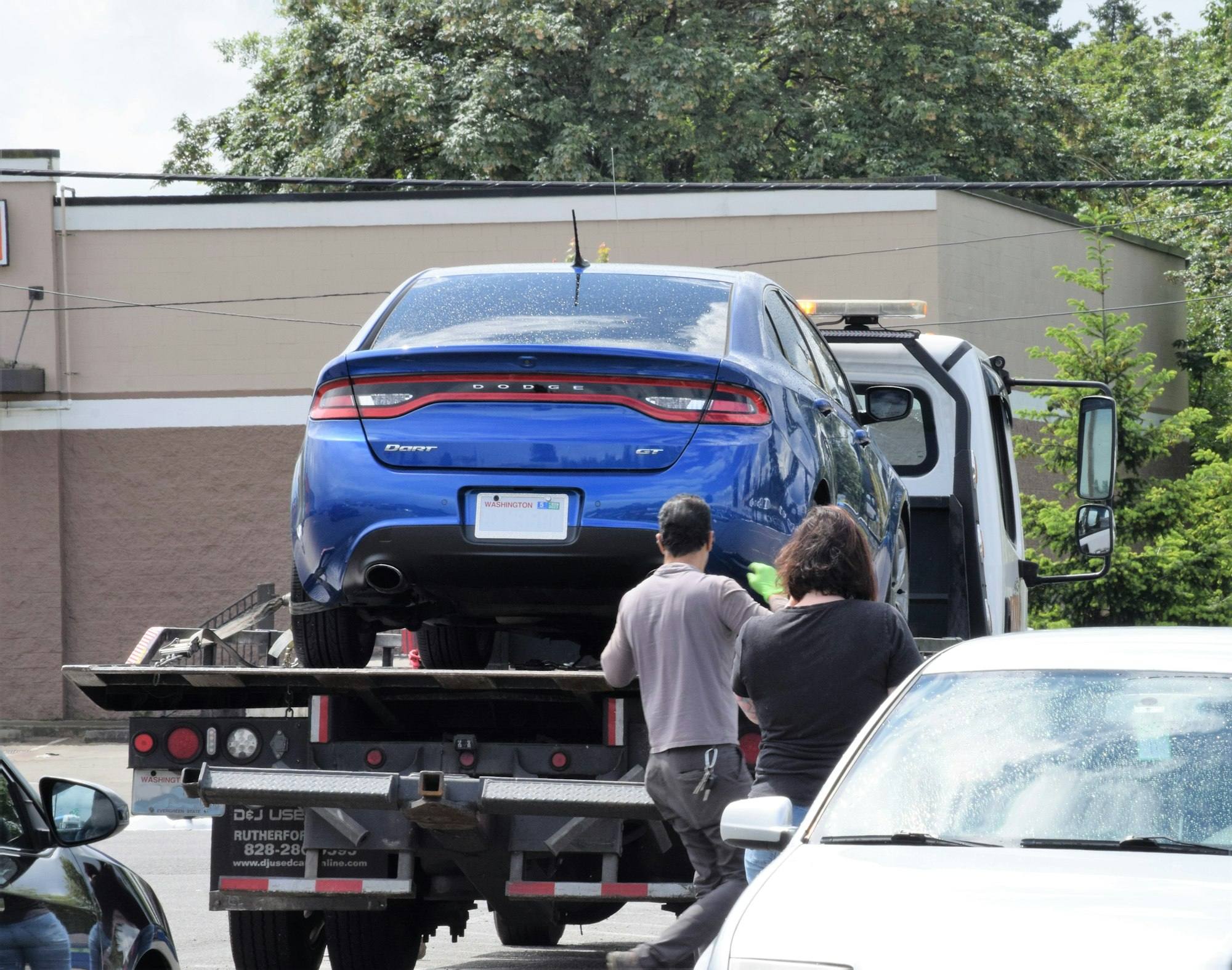
If you have a usable spare, we can fit it for you at the roadside. If you have no spare, the sealant will not hold, or more than one tyre is damaged, we recover the vehicle to a nearby tyre centre, your garage or your home. Call Rustam, tell us what the car has on board and we will send the right help.
Common questions
Can I drive on a flat tyre to the nearest garage?
No, unless they are run-flat tyres. Driving on a deflated standard tyre destroys it within a short distance, can damage the wheel and makes the car hard to control.
Why does my car not have a spare wheel?
Many manufacturers now supply a sealant kit in place of a spare to save weight and boot space. If you would prefer a spare, a space-saver kit can often be bought for your model.
Can you change a wheel on the motorway hard shoulder?
Changing a wheel next to fast traffic is dangerous, so it is often safer to move the vehicle off the motorway first. Tell us where you are and we will explain what we will do.
Two tyres have gone flat. What now?
Hitting a pothole or kerb can take out two tyres on the same side. One spare will not solve that, so the car needs recovering to a tyre centre.
Published by Breakdown Recovery Hub · Last updated . General guidance only: follow the Highway Code and the instructions of the emergency services.